Charting Reward Layering Effects on Shifts Between Symbol Matching Cycles, Hand Probability Choices, and Athletic Line Engagements in Regulated Digital Spaces
Sam Beck · Jul 1, 2026
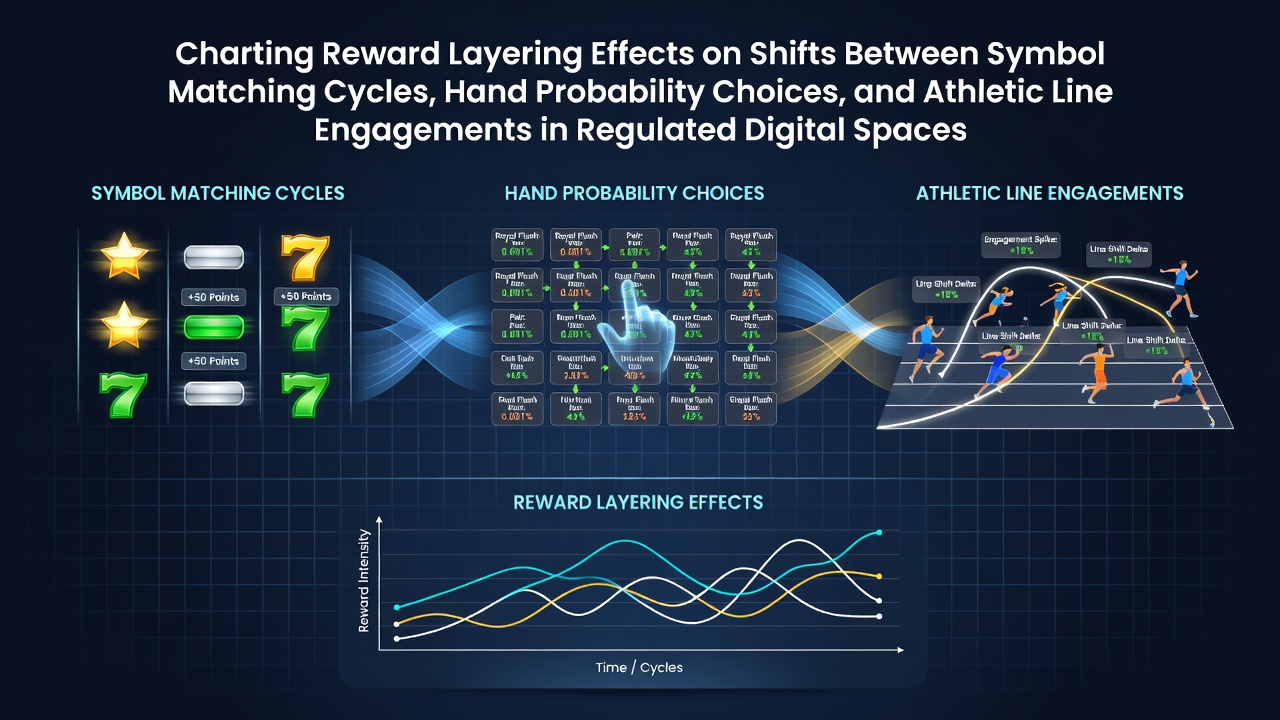
Charting Reward Layering Effects on Shifts Between Symbol Matching Cycles, Hand Probability Choices, and Athletic Line Engagements in Regulated Digital Spaces
Regulated digital gambling platforms have expanded layered reward systems that connect multiple game formats through shared loyalty mechanics and progression milestones, and data from mid-2026 indicates these structures influence how participants move between symbol matching sessions on reels, probability-based hand selections at tables, and athletic line wagers. Operators track these movements through aggregated user metrics released in quarterly reports, which show measurable changes in session duration and format switching during July 2026 updates to several state-licensed systems.
Mechanics of Layered Reward Structures
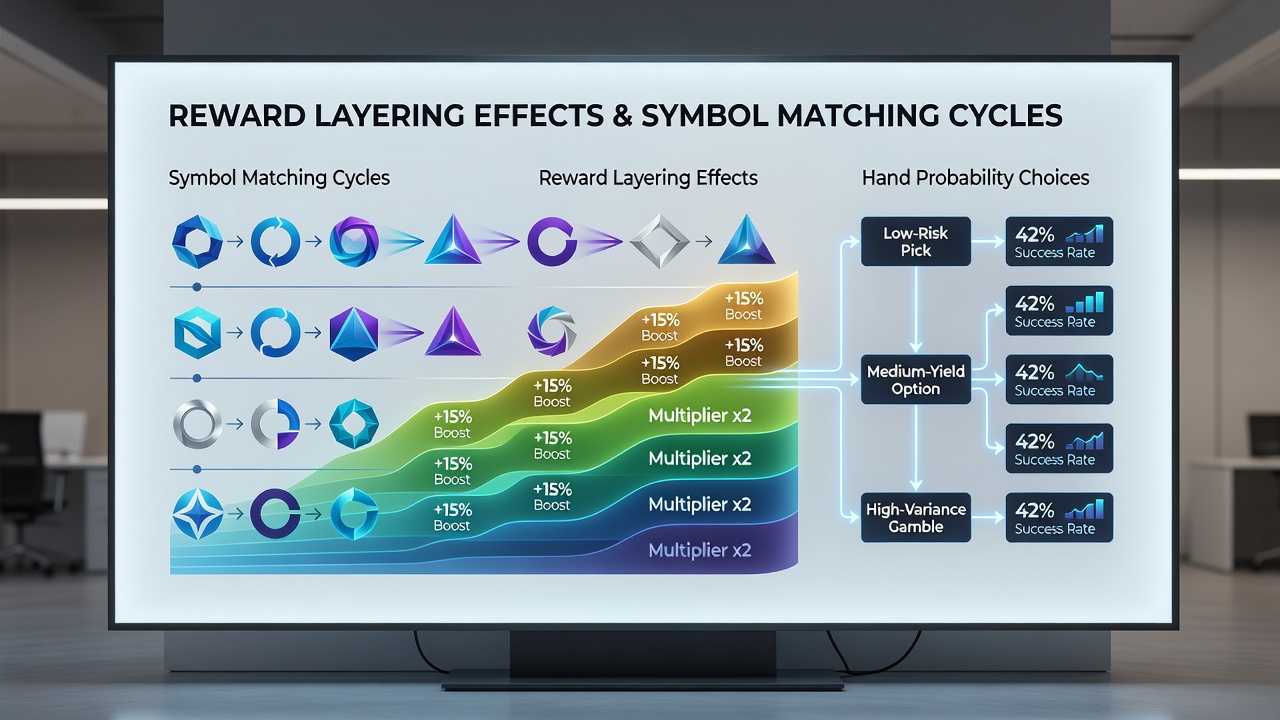
Layered rewards accumulate across game types by converting activity in one format into points or multipliers usable in others, while operators apply tier thresholds that unlock cross-format bonuses after set volumes of play. According to figures from the National Center for Responsible Gaming, these systems increased multi-format engagement rates by 14 percent in markets with unified player accounts during the first half of 2026. Participants often start in reel-based symbol matching because entry barriers remain low, yet accumulated points quickly open incentives that steer activity toward hand probability games or athletic lines once specific thresholds are reached.
Platform algorithms adjust reward density based on recent activity patterns, and this adjustment produces documented shifts where users who complete reel cycles receive targeted offers that highlight table game promotions or live event lines. Research compiled by the Canadian Centre on Substance Use and Addiction found that players exposed to synchronized reward ladders spent 22 percent more time alternating between formats compared with those on single-game programs, with the largest increases occurring in the weeks following July 2026 software patches that refined point conversion rates.
Transitions from Symbol Matching to Hand Probability Sessions
Symbol matching cycles on digital reels generate steady point accrual that feeds directly into table game bonuses, and this linkage encourages users to test hand probability choices once reel sessions reach preset lengths. Data released by the Nevada Gaming Control Board for the period ending July 2026 recorded a 9 percent rise in blackjack and video poker participation among accounts that had previously logged high reel volumes under unified loyalty programs. The conversion occurs because reward layers reduce the perceived cost of entering higher-variance table formats through temporary multiplier credits earned on reels.
Observers note that probability calculations at tables become more attractive when prior reel activity has already contributed toward a shared progression bar, and platform telemetry shows users frequently switch formats within the same login session rather than logging out and returning later. One analysis of account histories revealed that 31 percent of reel-heavy users initiated at least one table session within 48 hours of reaching a reward milestone, compared with 18 percent in control groups without cross-format incentives.
Integration with Athletic Line Engagements
Athletic line wagers receive layered rewards when operators tie in-game event outcomes to the same point pools used for reels and tables, and this integration produces measurable overlap during major sporting calendars. Reports from the Australian Gambling Research Centre indicate that users who accumulated reel and table points showed elevated activity on athletic lines in the same week, with July 2026 data highlighting a 17 percent uptick in combined sessions during overlapping professional leagues. The reward structure places athletic wagers as an extension rather than a separate pursuit, since points earned across formats accelerate eligibility for event-specific multipliers.
Platform records further demonstrate that participants who begin with symbol matching often reach athletic lines after intermediate table activity because the cumulative reward path funnels them toward time-sensitive offers tied to live events. State regulatory summaries from New Jersey and Pennsylvania for the second quarter of 2026 list increased concurrent usage of all three formats among accounts enrolled in tiered programs, while single-format accounts maintained steadier but lower overall volumes.
Regulatory Tracking and Platform Adjustments
Regulators require operators to submit anonymized flow data that maps transitions between formats, and these submissions have grown more detailed following 2026 guideline revisions that emphasize cross-product monitoring. The Ontario Lottery and Gaming Corporation published updated compliance metrics in July 2026 showing that layered reward systems correlate with higher session counts yet also trigger additional responsible gambling prompts when users exceed defined format-switch thresholds. Operators respond by recalibrating reward pacing to maintain compliance while preserving engagement pathways, and this recalibration appears in revised terms released to players during the same month.
Industry associations such as the European Gaming and Betting Association have compiled comparative studies across jurisdictions, noting that markets with unified reward layers experience more fluid movement between symbol matching, hand probability, and athletic lines than segmented systems. These patterns hold across different regulatory frameworks provided account linkage remains permitted.
Conclusion
Evidence from regulatory filings and research organizations continues to map how layered rewards shape movement across digital gambling formats, with July 2026 data confirming sustained effects on session composition and format sequencing. Platform operators adjust these systems in response to both user metrics and compliance requirements, while researchers track resulting behavioral distributions through anonymized datasets. The documented connections between symbol matching cycles, hand probability choices, and athletic line engagements reflect ongoing evolution in regulated digital spaces where unified loyalty mechanics remain active.