Connected Incentive Frameworks Linking Reel-Based Games, Card Play, and Sports Bets in Contemporary Ecosystems
Amir Neumann · Aug 17, 2026
Connected Incentive Frameworks Linking Reel-Based Games, Card Play, and Sports Bets in Contemporary Ecosystems
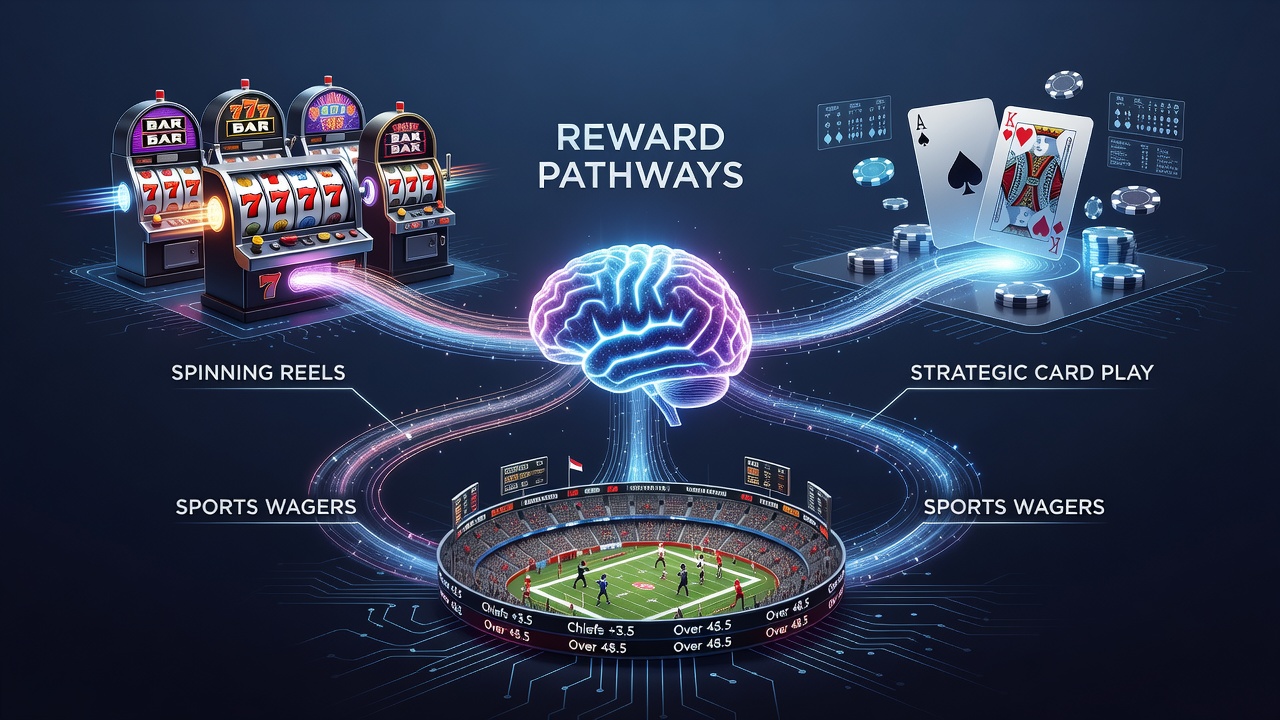
Modern gaming platforms integrate reward pathways that link spinning reels in slot machines with strategic decisions at card tables and wagers placed on athletic events, creating unified systems where player activity across formats accumulates shared points and tier benefits. Data from regulatory filings shows these structures emerged prominently as operators expanded digital ecosystems during 2025 and into 2026, allowing users to earn credits through one activity that apply directly to others without separate enrollment processes.
Mechanics of Cross-Format Reward Accumulation
Operators design layered loyalty programs where spins on reels generate base points that convert into multipliers for card play sessions, while concurrent sports wagers add bonus tiers based on total handle volume. Research from industry tracking firms indicates that participants in such programs shift between formats more frequently than those using isolated rewards, with transfer rates rising when operators introduce time-limited challenges that span multiple game types. For instance, a player completing a reel session might unlock enhanced odds on poker hands or cashback on live event bets, all tracked through a single account dashboard managed by central software platforms.
August 2026 reports from several North American markets highlight increased adoption of these pathways following regulatory approvals for expanded online integrations, with total player engagement metrics climbing as combined reward balances reduce the friction of switching between physical and digital venues. Observers note that algorithmic adjustments in point valuation help balance participation, preventing over-concentration in any single category while maintaining steady flows across reels, cards, and wagers.
Player Movement Patterns in Integrated Environments
Studies conducted by academic groups at institutions in Australia and Canada reveal distinct migration trends where high-volume reel users incorporate sports betting during peak seasons, driven by shared progression milestones that unlock table game privileges. These patterns appear in data sets covering multi-state operations, where loyalty tiers correlate with diversified session lengths rather than isolated game focus. One analysis of transaction logs found that users reaching mid-level status in unified programs allocate time across all three areas at ratios that shift seasonally, with summer months showing elevated crossover from reels to athletic lines during major tournaments.
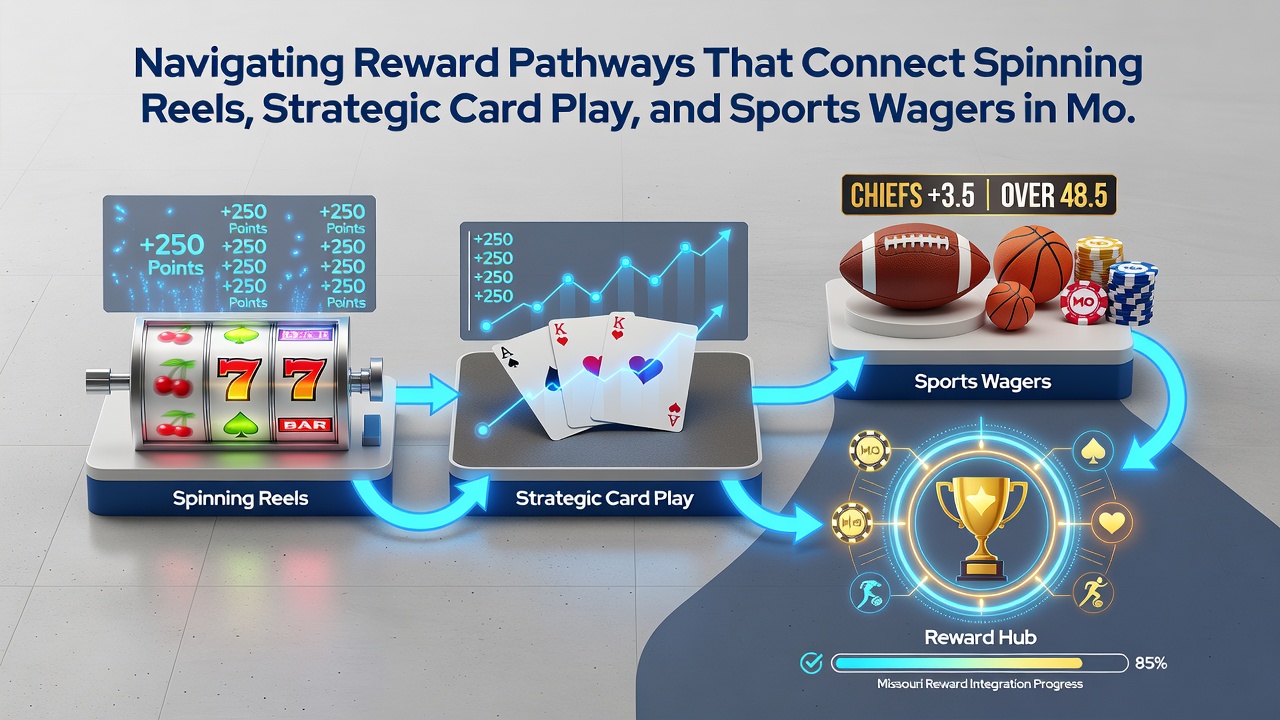
European operators following guidelines from bodies like the Malta Gaming Authority have implemented similar frameworks, using data analytics to predict and facilitate transitions without altering core game probabilities. Participants often discover that accumulated rewards from card outcomes enhance reel bonuses during promotional windows, creating loops that sustain activity across formats. Figures from trade associations indicate these mechanisms contribute to retention rates that exceed those of single-focus programs by measurable margins in comparable jurisdictions.
Regulatory and Operational Considerations
Compliance frameworks in various regions require transparent tracking of reward flows to ensure fair distribution and prevent undue influence on any particular game type. Government agencies in Canada and Australia publish periodic summaries showing how integrated systems affect overall market volumes, with emphasis on maintaining separation between chance-based reels and skill elements in card play. Operators adjust reward algorithms regularly based on these disclosures, incorporating feedback loops that align with local statutes while supporting crossovers into sports wagering markets.
Technical infrastructure supporting these pathways relies on centralized databases that log every transaction across reels, tables, and betting interfaces in real time. Industry reports from 2026 document steady growth in platform investments dedicated to seamless point transfers, reducing instances where players must restart progress when moving between environments. Such developments reflect broader trends toward ecosystem-wide loyalty rather than segmented offerings.
Conclusion
Unified reward structures continue to shape how participants navigate spinning reels, card strategies, and sports wagers within modern gaming setups, supported by data that tracks activity across connected platforms. Regulatory oversight and technological refinements maintain operational balance as these frameworks expand into additional markets through 2026 and beyond.