Decoding How Layered Reward Schemes Steer Choices Between Card Tables and Accumulating Prize Pools
Yves Peters · May 20, 2026

Decoding How Layered Reward Schemes Steer Choices Between Card Tables and Accumulating Prize Pools
Layered reward schemes operate through multiple tiers of loyalty points, cashback percentages, and exclusive comps that shift based on game selection and wagering volume, and operators track these patterns closely to guide player traffic between table games and accumulating prize pools like progressive jackpots.
Points often accrue at different rates depending on whether a participant sits at a blackjack or poker table or feeds coins into a slot bank with linked progressive meters, while redemption options range from free play credits to room upgrades that favor one activity over another in many programs.
How Tier Structures Allocate Value Across Game Types
Base tiers grant standard point multipliers on all wagers, yet mid-level and premium tiers introduce multipliers that increase faster when play concentrates on table games because those activities generate higher average revenue per participant according to internal casino analytics, and this differential encourages movement toward card tables once a player crosses certain thresholds.
Accumulating prize pools, by contrast, receive boosts through dedicated bonus rounds or accelerated point earnings during promotional windows that run for limited hours each week, and those windows frequently coincide with slower table traffic periods so the two reward streams rarely overlap directly in the same session.
Observers note that many programs now embed daily challenges requiring a set number of hands at tables before unlocking additional progressive entries, and this sequencing creates a natural funnel that moves participants from one format to the other within a single visit.
Data Patterns Emerging in Early 2026
Figures released by the Nevada Gaming Control Board for the first quarter of 2026 show table game drop rising modestly while slot handle continues to dominate overall volume, yet the share of rewards redeemed from table play has grown faster than slot redemptions in loyalty databases tracked across major properties.
Research conducted at the University of Nevada, Las Vegas indicates that players who reach gold or platinum tiers spend 18 percent more time at card tables once they qualify for tier-specific table minimum reductions, and the same cohort also logs higher average bets on progressive machines during separate visits.
Nevada Gaming Control Board reports further reveal that progressive jackpot payouts in May 2026 triggered a measurable uptick in new loyalty sign-ups, many of whom later migrated toward table games after receiving targeted offers that combined free slot credits with table match play.Mechanics That Influence Session Choices
Point earning rates typically sit higher on slots because those machines process more individual wagers per hour, whereas table games award points based on average bet and time spent seated, and the resulting disparity means a player chasing tier status may alternate between formats to optimize both speed and total points.
Comps such as buffet vouchers or show tickets unlock after mixed play thresholds are met, yet the most valuable rewards like suite stays often require documented table action, and this structure quietly steers higher-value participants toward the pit even when their initial preference leans toward accumulating prize pools.
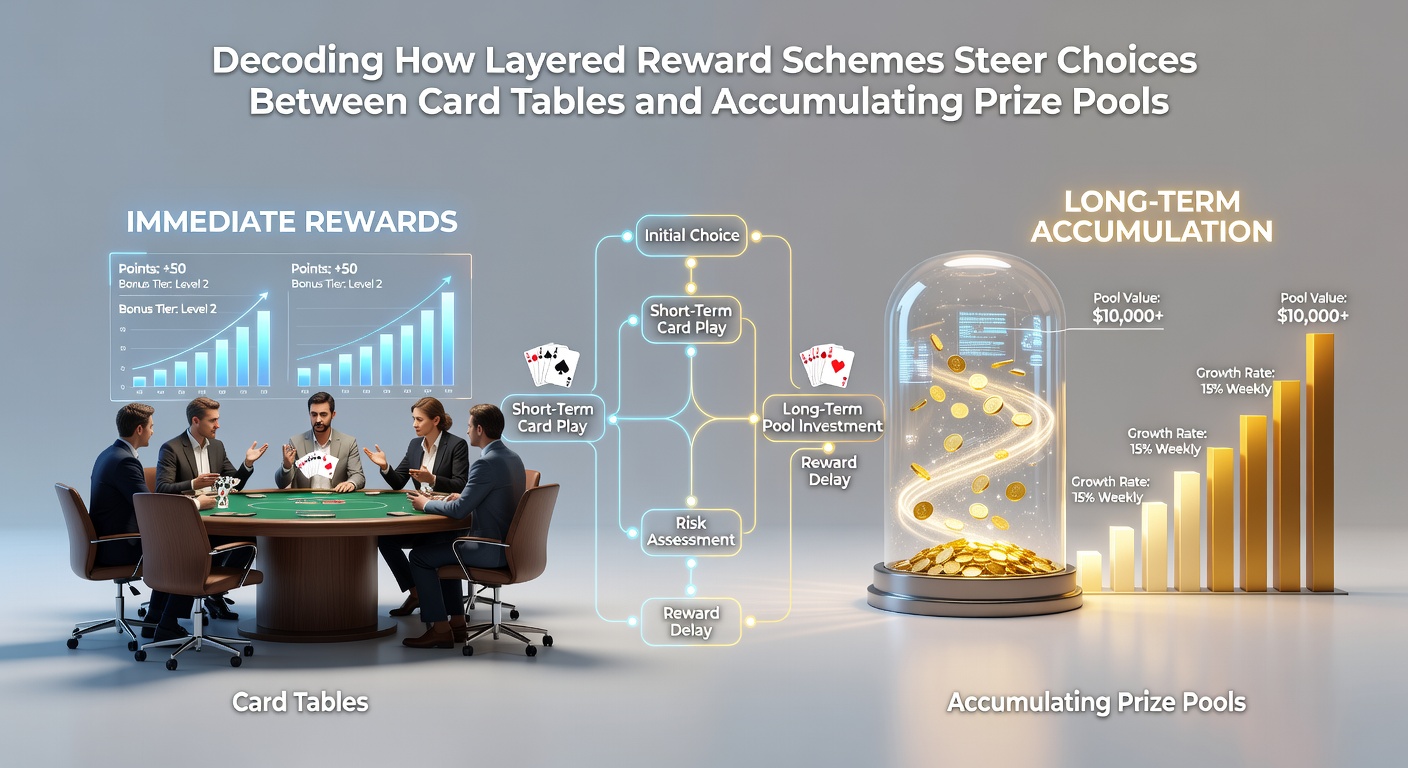
Promotional calendars published by several Strip resorts in spring 2026 list separate leaderboards for table games and slot progressives, and participants who appear on both boards receive an extra multiplier that only activates after they complete a minimum number of hands at the tables, creating an explicit bridge between the two environments.
Regional Variations in Reward Layering
Properties in Atlantic City apply steeper point bonuses to table games during weekday afternoons when foot traffic is lighter, whereas Macau operators emphasize progressive slot multipliers during evening peak hours, and these geographic differences illustrate how local player demographics shape the exact layering of incentives.
Canadian provincial gaming corporations publish quarterly summaries that track reward redemption by game category, and those summaries consistently show table-derived comps converting into higher per-visit spend compared with slot-only redemptions, even though raw handle remains higher on machines.
Conclusion
Layered reward schemes continue to evolve through real-time data adjustments that balance player retention against revenue goals, and the interplay between card tables and accumulating prize pools remains a central lever in those adjustments. Operators refine multipliers, challenge structures, and redemption ladders throughout the year, with notable recalibrations observed during May 2026 across multiple jurisdictions. The net effect channels participants along pathways that maximize both engagement and house advantage while preserving the appearance of player choice.