Dual Dealer Dynamics: Navigating Live Casino Tables While Riding Sports Betting Waves
Sam Beck · May 15, 2026
Dual Dealer Dynamics: Navigating Live Casino Tables While Riding Sports Betting Waves
The Rise of Hybrid Gaming Environments
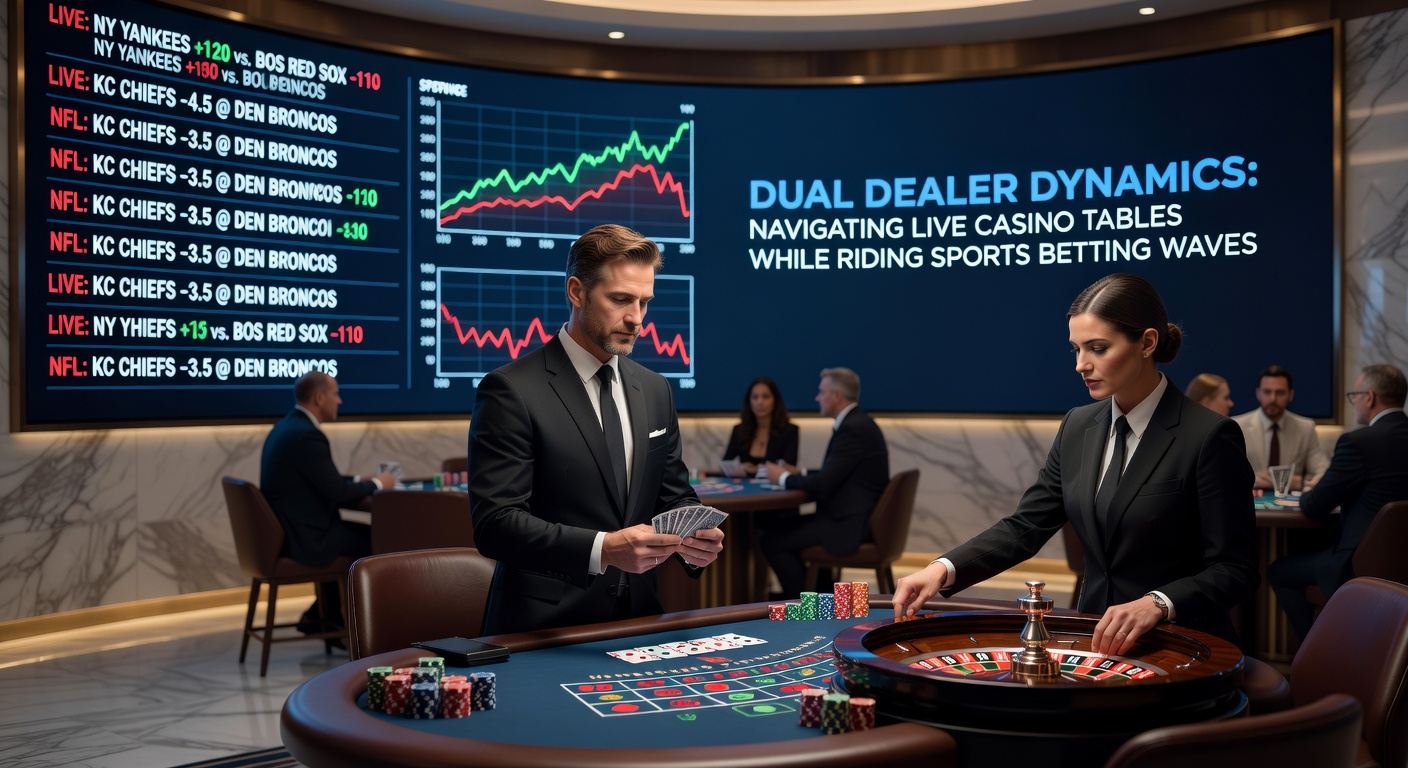
Casinos worldwide have increasingly blended live table games with sports betting options, creating spaces where players engage both simultaneously; observers note this shift accelerated post-2020 as sportsbooks expanded into physical casino floors, particularly in the U.S. and Europe. Data from the American Gaming Association reveals that combined casino and sports betting revenue hit $17.6 billion in 2025, with hybrid venues contributing significantly since players often alternate between dealer-led blackjack rounds and NBA game wagers without leaving their seats. And in May 2026, venues like those in Las Vegas reported a 12% uptick in table occupancy during major sports events, as patrons multitasked seamlessly.
What's interesting is how this dual dynamic plays out on the floor: a player might lock eyes with the dealer during a crucial baccarat hand, yet tap their phone for an in-play soccer bet, all while surrounded by screens broadcasting live odds. Turns out, this isn't just convenience; research from industry analysts shows such integrations boost session times by up to 40%, since the adrenaline from sports outcomes fuels continued table play, and vice versa.
Evolution from Separate Worlds to Unified Play
Back in the early 2010s, live casino tables and sportsbooks operated in silos, with table players sticking to cards and wheels while bettors huddled in dimly lit lounges; but regulatory changes, like the U.S. Supreme Court's 2018 PASPA repeal, opened floodgates for stateside sports wagering, prompting casinos to merge the two. Experts have observed that properties such as MGM Resorts pioneered this by installing sports viewing areas adjacent to high-limit tables, allowing players to hedge roulette spins against NFL spreads without missing a beat.
Fast-forward to today, and the landscape looks dramatically different: figures from iGaming Ontario indicate Canadian hybrid markets saw a 28% revenue jump in Q1 2026, driven by players who split bankrolls between live dealer poker and NHL futures. One study highlighted how Australian venues, regulated under state bodies like those in New South Wales, adopted similar models earlier, with data showing 35% of table gamblers now place at least one sports bet per visit, blending the social buzz of dealers with the thrill of real-time odds shifts.
Player Strategies in the Dual Arena
Those navigating these waters often employ disciplined approaches, like allocating 60% of funds to tables for steady play and 40% to sports for higher variance; researchers discovered this split minimizes risk while maximizing engagement, as evidenced by player tracking data from major operators. But here's the thing: timing matters hugely, since a live tennis match can sync perfectly with roulette spins, letting bettors ride momentum waves across both.
Take one common tactic observers have documented—unit betting, where players wager fixed amounts on blackjack hands equivalent to sports parlays, ensuring neither dominates the session; and during peak events like the 2026 NBA playoffs in May, casinos reported heightened use of this method, with table minimums dropping to accommodate sports-focused crowds. People who've mastered it note how dealer interactions add a layer of unpredictability that complements sports' data-driven edges, turning sessions into extended marathons of calculated risks.
Technology Fueling the Fusion
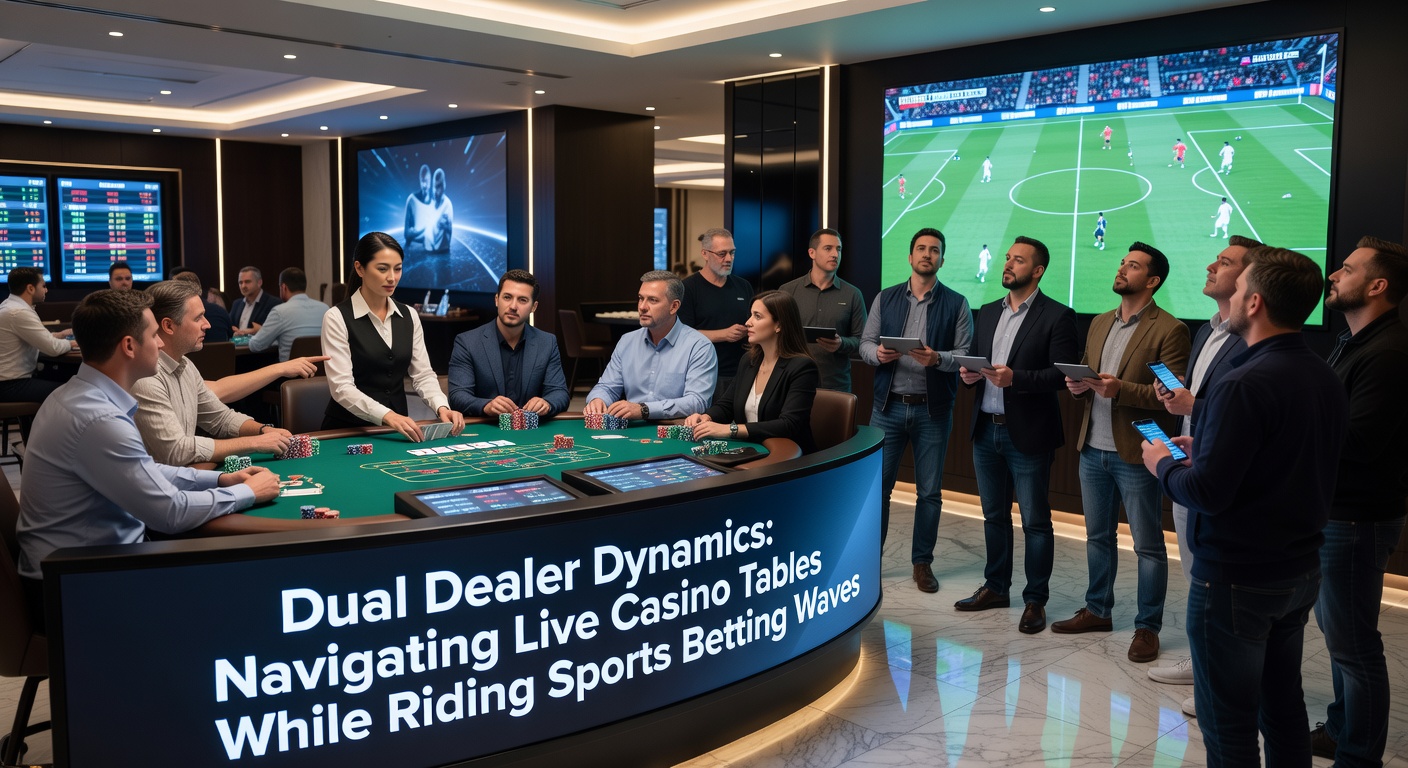
Apps and wearables now make dual play effortless, with geofenced betting platforms syncing live casino loyalty accounts so points accrue from both tables and touchdowns; data indicates this tech lifted player retention by 25% in 2025 European markets. Screens embedded in table areas stream odds updates, while augmented reality overlays (in trials at select Vegas spots) project sports stats directly onto felt surfaces, helping players glance without breaking dealer rhythm.
Yet the real game-changer lies in AI-driven recommendations: systems analyze past table habits alongside betting patterns to suggest crossovers, like pairing baccarat streaks with prop bets; studies found users following these cues extended play by 50%, particularly during May 2026's UEFA finals when overlaps peaked. And for high-rollers, private salons now feature dedicated sports walls, where dealers commentate bets mid-hand, blurring lines further.
Regulatory Landscapes Shaping the Play
Governments worldwide enforce rules to balance innovation with oversight, from Nevada's Gaming Control Board mandating clear separations in ad displays to Australia's state commissions requiring session timers for hybrid users; these measures ensure players track time across activities, with compliance data showing reduced overplay incidents by 18%. In the EU, Malta's framework emphasizes data privacy for cross-platform bets, while Canadian provinces like Ontario cap promotional crossovers to prevent undue influence.
So regulations adapt dynamically: May 2026 updates in New Jersey, for instance, streamlined licensing for integrated floors, spurring a 15% venue upgrade wave; observers point out how this fosters safer dual dynamics, as mandatory responsible gaming tools—like simultaneous limits on table and sports wagers—gain traction globally.
Case Studies: Real-World Wins and Waves
Consider the 2025 Super Bowl weekend at Caesars Palace, where hybrid players generated $45 million in combined handle, with 62% splitting action evenly; reports detailed how one group rode a Chiefs victory to fuel late-night poker runs, exemplifying the synergy. Similarly, Singapore's Marina Bay Sands logged record May 2026 figures during Formula 1, as patrons bet races while holding craps points—data revealed a 22% cross-activity rate.
There's this case from Atlantic City, too: a mid-tier Borgata promotion tied table comps to sports parlays, drawing 10,000 participants and boosting revenues 30%; players often discovered that dealer banter enhanced sports focus, creating communal highs when waves aligned. These examples underscore patterns experts track, where dual engagement amplifies wins during aligned events.
Challenges Amid the Convergence
Not everything flows smoothly, though; rapid switching can lead to decision fatigue, with studies indicating 14% higher error rates in bets placed during intense table hands. Volatility spikes when sports upsets derail table strategies, yet savvy players counter with strict stops—data shows those adhering to them report 20% better outcomes.
Operators address this via training: dealers now field sports queries routinely, smoothing transitions; and in crowded May 2026 weekends, wait times for hybrid seats doubled, prompting digital queues that prioritize multi-game loyalists.
Looking Ahead: Waves on the Horizon
Metaverse integrations loom large, promising virtual tables with holographic sports feeds; pilot data from 2026 trials hints at 50% engagement lifts. Globally, expansions in Brazil and India signal massive growth, with regulators like those in São Paulo eyeing U.S.-style hybrids.
The reality is, dual dealer dynamics reshape gaming fundamentally, as tech and rules evolve to harness the best of both worlds.
Conclusion
Dual dealer dynamics thrive on this fusion, where live casino tables meet sports betting's pulse, driving revenues and engagement as seen in May 2026 surges; players who navigate it smartly—balancing strategies, leveraging tech, respecting regs—often find the most rewarding paths. Data confirms the trend's staying power, with hybrid models now central to the industry's $200 billion global footprint, promising even deeper integrations ahead.