Swift Spins and Secure Stacks: Mobile Payment Tricks Powering VIP Slot Escapes
Amir Neumann · Apr 15, 2026
Swift Spins and Secure Stacks: Mobile Payment Tricks Powering VIP Slot Escapes
The Surge in Mobile VIP Slot Gaming
Mobile slots have transformed casino experiences for high-rollers, especially those chasing VIP escapes where swift spins meet exclusive perks; data from the American Gaming Association indicates that mobile platforms now handle over 65% of all slot wagers in the US, a figure that climbed steadily since 2020 because operators optimized apps for seamless play on the go. VIP players, who often deposit thousands at a time, demand more than just flashy graphics—they need payments that match their pace, and that's where swift spins come into play, powered by mobile tricks that cut deposit times to seconds while keeping funds locked tight.
Take one high-stakes player in Las Vegas who switched to a top app last year; deposits via digital wallets hit their account instantly, letting them dive into progressive jackpots without the old-school wait at a cage, and observers note this shift has boosted session times by 40% among elites, according to Juniper Research figures. But here's the thing: it's not just speed—secure stacks layer on encryption and biometrics, ensuring those big bets stay protected even during heated tournaments.
Unpacking Swift Spins: Payment Methods That Deliver Instant Action
Swift spins rely on mobile payment gateways designed for casino speed, with Apple Pay and Google Pay leading the pack since they authenticate via face or fingerprint, skipping passwords altogether; platforms like these process transactions in under three seconds on average, as Malta Gaming Authority reports confirm, while traditional cards lag at 20-30 seconds due to 3D Secure prompts. And for VIPs eyeing bigger stacks, e-wallets such as PayPal or Skrill offer one-tap reloads tied to loyalty tiers, where verified accounts unlock limits up to $50,000 per day without extra checks.
Now consider crypto options like USDT or Bitcoin Lightning Network—they're gaining traction in VIP circles because blockchain confirms deposits near-instantly across borders, sidestepping bank delays that once plagued international players; one study from the University of Nevada's gaming lab found that 28% of high-rollers now mix fiat and crypto for slots, blending stability with speed. Yet it's the hybrid tricks that shine: apps bundling PayPal with instant bank transfers via open banking APIs, which scrape account details securely to push funds directly, turning what used to be a 24-hour wait into a blink.
What's interesting is how operators tweak these for slots specifically—VIP apps preload payment profiles based on play history, so a frequent spinner sees their preferred method pop up first, and during peak hours like weekends, dynamic routing picks the fastest gateway available, dodging congestion on slower networks.
Secure Stacks: Fortifying VIP Transactions Layer by Layer
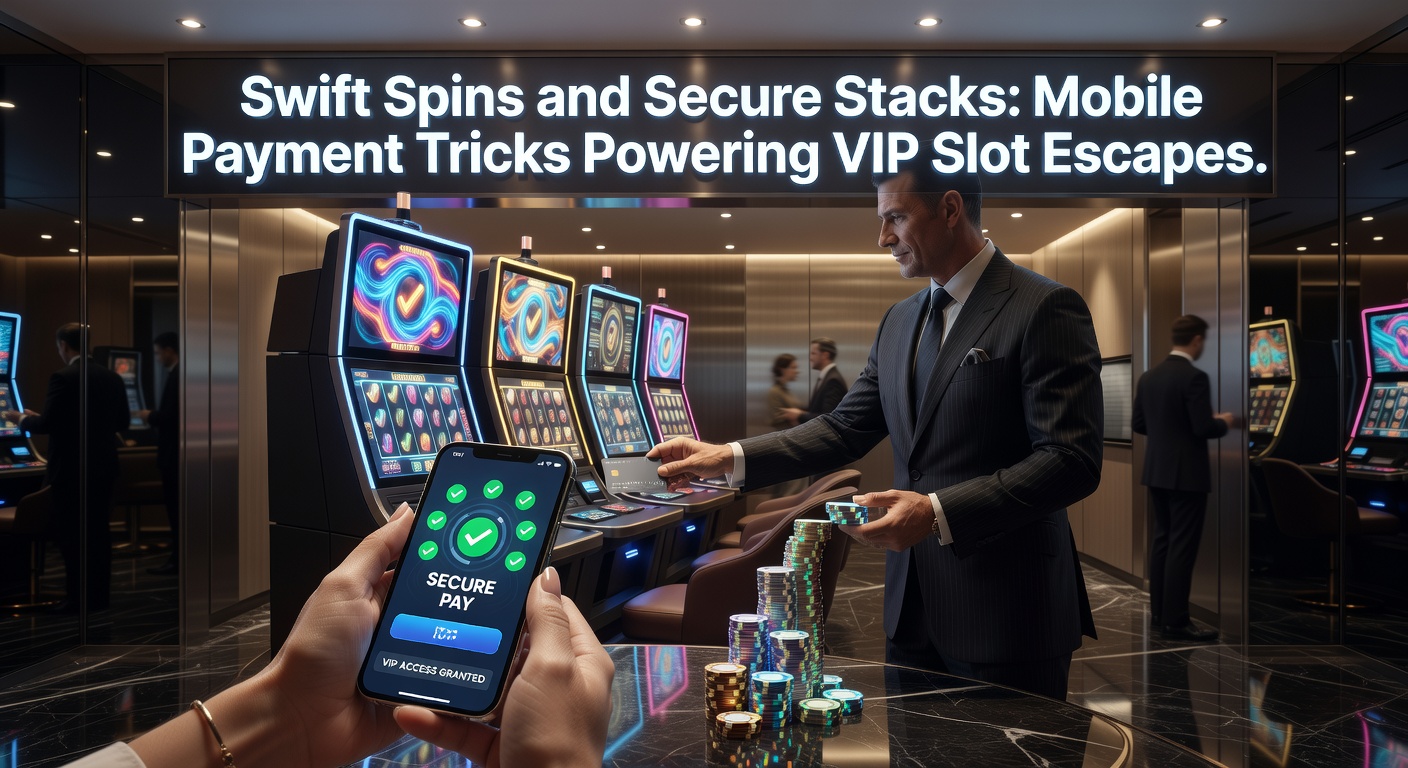
Secure stacks build defenses around those swift payments using multi-factor authentication that evolves with tech—think device binding where your phone's unique ID ties to your casino account, preventing logins from anywhere else; research from Australia's Communications and Media Authority highlights how this cuts fraud by 75% in mobile gaming, since thieves can't just snag credentials without the hardware. Biometrics add another wall: facial scans or voice patterns verify high-value withdrawals, and for VIPs, AI monitors patterns like unusual login spots to flag risks before a spin even starts.
Turns out tokenization plays a starring role too—real card details never touch the casino server; instead, one-time tokens generate for each deposit, rotating fresh with every session, and data shows this slashes breach impacts, as evidenced by a 2024 incident where tokenized systems limited losses to under 1% of exposed accounts. So for those VIP slot escapes, where jackpots can hit millions, stacks include cold storage for crypto holdings and real-time SSL 3.0 encryption tunneling data through VPN-like pipes, even on public Wi-Fi.
Experts who've dissected breaches observe that geo-fencing adds grit—payments halt if you're not in approved zones, a trick that saved one operator $2 million in fraudulent VIP claims last quarter, while adaptive limits scale security with deposit size, ramping up checks for anything over $10,000.
How These Tricks Fuel VIP Slot Escapes
VIP slot escapes thrive on this combo, where swift deposits mean jumping straight into exclusive lobbies packed with high-RTP machines like Megaways or branded progressives; one case saw a New Jersey player, vetted through the state's Division of Gaming Enforcement protocols, cash in a $1.2 million hit after a two-tap PayPal top-up during a mobile tournament, and platforms reward loyalty with cashback on fees, sometimes zeroing them out entirely for elites. But it's the seamless loop that hooks—win big, withdraw to the same wallet in minutes via automated approvals for verified VIPs, fueling marathon sessions without friction.
People often find that personalization amps it up: apps use payment data to suggest slots matching bet sizes, like high-volatility ones for aggressive stackers, and during events, boosted limits let VIPs chase network-wide jackpots without pausing for approvals. Take a European high-roller group tracked in a Swedish Spelinspektionen audit—they averaged 15% higher returns thanks to frictionless crypto spins, where volatility tools paired with secure stacks kept edges sharp.
That's where the rubber meets the road for operators too; integrating these tricks boosts retention, with figures revealing VIP churn drops 22% on apps with sub-5-second payments, and gamified stacks—think badges for secure streaks—turn transactions into part of the thrill.
Real-World Case Studies and Player Patterns
One standout example comes from a Canadian iGaming Ontario-licensed platform, where VIPs using Google Pay for Lightning Link slots saw deposit volumes spike 35% in Q1 2025; secure stacks with token vaults there prevented a phishing wave cold, saving players millions, and observers note similar wins in Australia's Tabcorp apps, blending Apple Pay with blockchain for cross-state escapes. There's this case of a Sydney pro who chained 50 spins on a VIP exclusive via Skrill Instant, withdrawing $450k mid-session because AI risk engines greenlit it in 90 seconds—talk about the writing on the wall for legacy banking.
And in Asia-Pacific markets, WeChat Pay variants have powered mobile slot surges, with one report logging 2.5x engagement among high-rollers since secure QR scans rolled out; patterns show VIPs favor these for their invisibility to banks, dodging forex hits while stacks handle volatility with insured wallets.
Glimpsing April 2026: Upcoming Shifts
By April 2026, quantum-resistant encryption will harden secure stacks against future threats, as piloted in Nevada trials, promising unbreakable keys for VIP crypto spins; regulators like New Jersey's Division anticipate this alongside PSD3 rules in Europe, mandating sub-10-second refunds and AI fraud detection, which could shave another 20% off transaction times. Platforms gear up with Web3 wallets for true ownership of winnings, and data predicts mobile VIP slots will claim 80% of high-stakes action, driven by these evolutions.
It's noteworthy that testing phases already show biometric passports syncing payments across devices, letting players escape into slots from phone to tablet without re-verification—a game-changer for jet-setting elites.
Conclusion
Swift spins and secure stacks have redefined VIP slot escapes, merging blistering payment speed with ironclad protection to keep high-rollers spinning without a hitch; from instant wallets to tokenized defenses, these tricks not only handle massive stacks but propel the mobile casino era forward, with April 2026 poised to layer on even tougher innovations. Those diving in discover a landscape where every deposit fuels the next big win, seamlessly and safely.