Tracking Player Shifts Between Reel Systems and Athletic Wagering in New State Markets
Sam Beck · Aug 5, 2026
Tracking Player Shifts Between Reel Systems and Athletic Wagering in New State Markets
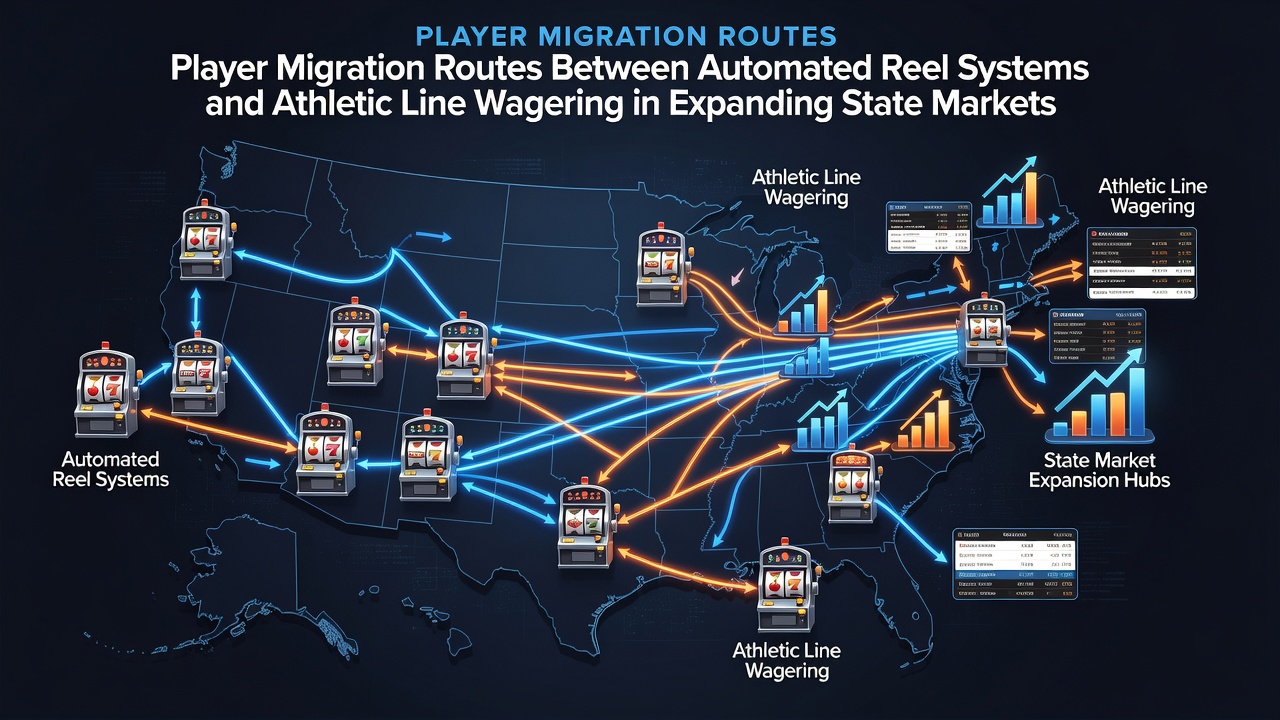
States across the country continue to expand legal gaming options, and observers note clear patterns in how participants move between automated reel systems and athletic line wagering. Data from multiple jurisdictions shows participants often begin with reel play before testing sports lines, while others reverse the sequence depending on seasonal events adn app integrations. August 2026 figures from several regulatory bodies indicate that crossover activity has increased alongside new market launches in states like New York and Pennsylvania.
Market Expansion and Player Entry Points
Legislation in additional states has opened doors for both slot machines and sportsbooks, creating shared environments where players encounter both formats within the same digital or physical spaces. Researchers tracking participation data report that reel systems serve as initial entry points for many newcomers, especially in markets where mobile apps bundle slot access with sports interfaces. Those who've examined enrollment records find that first-time users frequently deposit funds through reel promotions before shifting attention to live athletic lines during major events.
Observed Migration Patterns
Analysts have mapped several routes that participants follow when moving between these categories. One common path starts with short sessions on automated reels, transitions to checking athletic odds during breaks, and then settles into line wagering once a preferred sport enters its peak season. Data indicates that participants who engage with progressive reel features often carry over loyalty points to sports betting accounts, which encourages continued movement between the two. Studies from academic institutions reveal that timing plays a role, since reel volatility aligns with off-peak athletic calendars while high-profile games pull attention toward sports lines.
Another route appears when sports bettors explore reels during lulls between events, using the same wallet balances and reward tiers. Figures from state oversight agencies show that integrated platforms reduce friction for these switches, allowing seamless transfers without separate logins or funding steps. Participants in expanding markets like those in the Midwest demonstrate higher crossover rates once operators link tiered loyalty structures across both verticals.
Factors Driving Transitions
Promotional structures and app design influence how readily people shift between formats. Operators deploy targeted offers that reward reel play with sports betting credits or vice versa, and records from multiple properties confirm these incentives increase session variety. Mobile payment options further support fluid movement, since quick deposits and withdrawals keep funds accessible across reel and line interfaces. Evidence from industry reports highlights that participants respond to real-time notifications about athletic lines while engaged in reel sessions, prompting immediate switches when odds shift favorably.
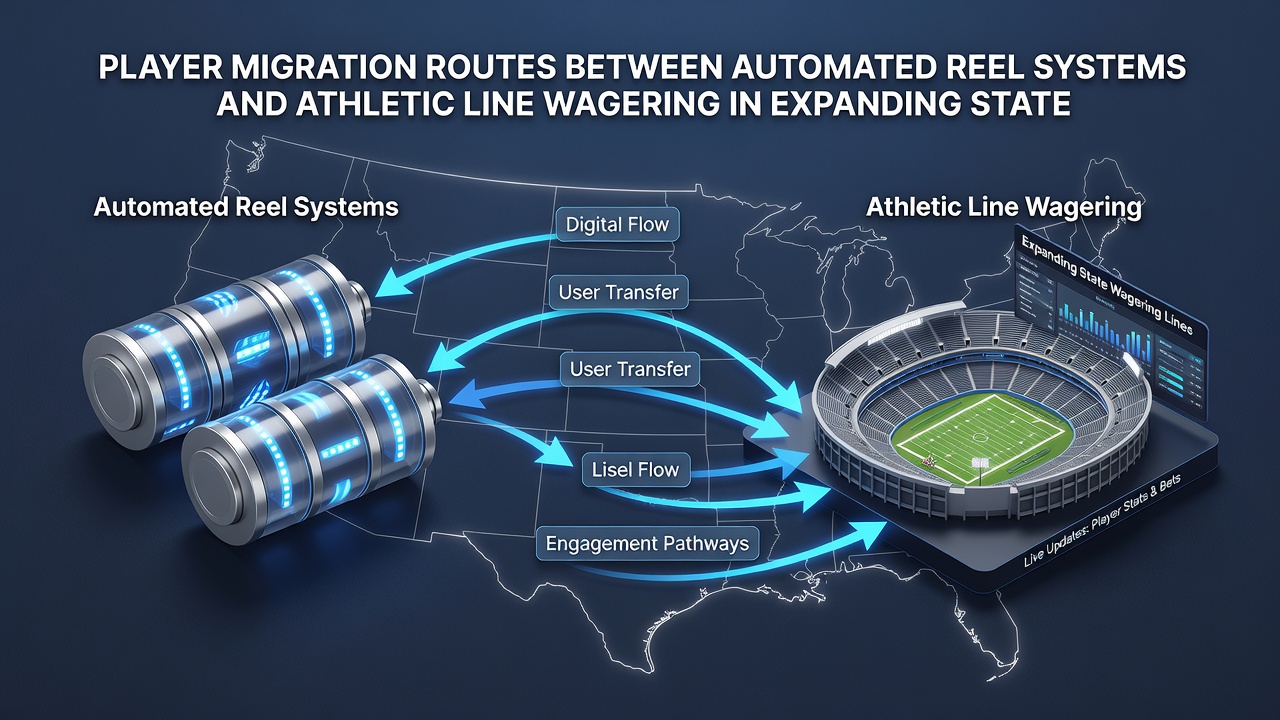
Seasonal calendars also shape these routes. During summer months when fewer major athletic contests occur, reel activity tends to hold steady, whereas fall and winter schedules correlate with spikes in sports line engagement that pull participants away from reels temporarily. State-level data collected through 2026 demonstrates these seasonal adjustments remain consistent even as new markets mature.
Regulatory Context Across Jurisdictions
Agencies overseeing gaming in different regions track these movements to assess overall market health. The Illinois Gaming Board publishes monthly breakdowns that separate reel and sports revenues while noting participant overlap through account linkage metrics. Similar reporting from authorities in other states reveals that migration does not reduce total handle but redistributes activity across categories depending on user preferences and event timing. Academic papers from research centers have examined how regulatory requirements for responsible gaming tools affect crossover behavior, finding that unified account monitoring helps identify patterns without restricting movement.
Platform Integration and Retention Data
Operators have responded to observed routes by building unified dashboards that display both reel progressions and athletic line options. Retention metrics collected by several large groups indicate that participants who utilize both formats within a single session maintain accounts longer than those who remain in one category. August 2026 updates from market analysts show that states with mature integrations report higher average revenue per user when cross-promotions connect the two experiences effectively.
Conclusion
Player movement between automated reel systems and athletic line wagering continues to evolve as more states authorize both formats. Records from regulatory bodies and research institutions document consistent patterns shaped by promotions, platform design, seasonal calendars, and account integrations. These documented routes provide operators and oversight agencies with measurable insights into how participation distributes across expanding markets.